
Databricks Catalog
Databricks Catalog - It helps simplify security and governance of your data and ai assets by providing a central place to administer and audit access to data and ai assets. To create a catalog, you can use catalog explorer, a sql command, the rest api, the databricks cli, or terraform. A unity catalog object that is used only in lakehouse federation scenarios. Databricks unity catalog is the industry’s only unified and open governance solution for data and ai, built into the databricks data intelligence platform. This is the catalog type that is discussed in this article. It is intended primarily for workspace admins who are using unity catalog for the first time. Databricks uses unity catalog to manage query federation. When you create a catalog, you’re given two options: Learn how unity catalog in databricks revolutionizes data governance with centralized management, improved security, and scalable permissions across workspaces. Learn how unity catalog offers unified governance for all data and ai assets, tracking data lineage in sql, r, python, and scala. When you create a catalog, you’re given two options: Databricks uses unity catalog to manage query federation. Learn how unity catalog offers unified governance for all data and ai assets, tracking data lineage in sql, r, python, and scala. This article explains how to configure and use unity catalog to manage data in your databricks workspace. The typical catalog, used as the primary unit to organize your data objects in ; It helps simplify security and governance of your data and ai assets by providing a central place to administer and audit access to data and ai assets. When you create a catalog, two schemas (databases) are automatically created: With unity catalog, organizations can seamlessly govern both structured and unstructured data in any format, as well as machine learning models, notebooks, dashboards and files across any. This is the catalog type that is discussed in this article. It is intended primarily for workspace admins who are using unity catalog for the first time. When you create a catalog, two schemas (databases) are automatically created: A unity catalog object that is used only in lakehouse federation scenarios. To create a catalog, you can use catalog explorer, a sql command, the rest api, the databricks cli, or terraform. It is intended primarily for workspace admins who are using unity catalog for the first time. This. The typical catalog, used as the primary unit to organize your data objects in ; With unity catalog, organizations can seamlessly govern both structured and unstructured data in any format, as well as machine learning models, notebooks, dashboards and files across any. It is intended primarily for workspace admins who are using unity catalog for the first time. To create. To create a catalog, you can use catalog explorer, a sql command, the rest api, the databricks cli, or terraform. The typical catalog, used as the primary unit to organize your data objects in ; Databricks unity catalog is the industry’s only unified and open governance solution for data and ai, built into the databricks data intelligence platform. By the. The typical catalog, used as the primary unit to organize your data objects in ; Databricks uses unity catalog to manage query federation. To create a catalog, you can use catalog explorer, a sql command, the rest api, the databricks cli, or terraform. This article explains how to configure and use unity catalog to manage data in your databricks workspace.. To set up unity catalog using the databricks terraform provider, see automate unity catalog setup using terraform. The typical catalog, used as the primary unit to organize your data objects in ; To create a catalog, you can use catalog explorer, a sql command, the rest api, the databricks cli, or terraform. A unity catalog object that is used only. It is intended primarily for workspace admins who are using unity catalog for the first time. By the end of this article you. Databricks unity catalog is the industry’s only unified and open governance solution for data and ai, built into the databricks data intelligence platform. Learn how unity catalog offers unified governance for all data and ai assets, tracking. This is the catalog type that is discussed in this article. To set up unity catalog using the databricks terraform provider, see automate unity catalog setup using terraform. When you create a catalog, two schemas (databases) are automatically created: Learn how unity catalog in databricks revolutionizes data governance with centralized management, improved security, and scalable permissions across workspaces. Learn how. When you create a catalog, you’re given two options: It helps simplify security and governance of your data and ai assets by providing a central place to administer and audit access to data and ai assets. To set up unity catalog using the databricks terraform provider, see automate unity catalog setup using terraform. This is the catalog type that is. The typical catalog, used as the primary unit to organize your data objects in ; With unity catalog, organizations can seamlessly govern both structured and unstructured data in any format, as well as machine learning models, notebooks, dashboards and files across any. A unity catalog object that is used only in lakehouse federation scenarios. It is intended primarily for workspace. Databricks uses unity catalog to manage query federation. To set up unity catalog using the databricks terraform provider, see automate unity catalog setup using terraform. To create a catalog, you can use catalog explorer, a sql command, the rest api, the databricks cli, or terraform. The typical catalog, used as the primary unit to organize your data objects in ;. This article explains how to configure and use unity catalog to manage data in your databricks workspace. Learn how unity catalog offers unified governance for all data and ai assets, tracking data lineage in sql, r, python, and scala. The typical catalog, used as the primary unit to organize your data objects in ; It helps simplify security and governance of your data and ai assets by providing a central place to administer and audit access to data and ai assets. Databricks uses unity catalog to manage query federation. Learn how unity catalog in databricks revolutionizes data governance with centralized management, improved security, and scalable permissions across workspaces. It is intended primarily for workspace admins who are using unity catalog for the first time. To set up unity catalog using the databricks terraform provider, see automate unity catalog setup using terraform. When you create a catalog, two schemas (databases) are automatically created: To create a catalog, you can use catalog explorer, a sql command, the rest api, the databricks cli, or terraform. When you create a catalog, you’re given two options: This is the catalog type that is discussed in this article.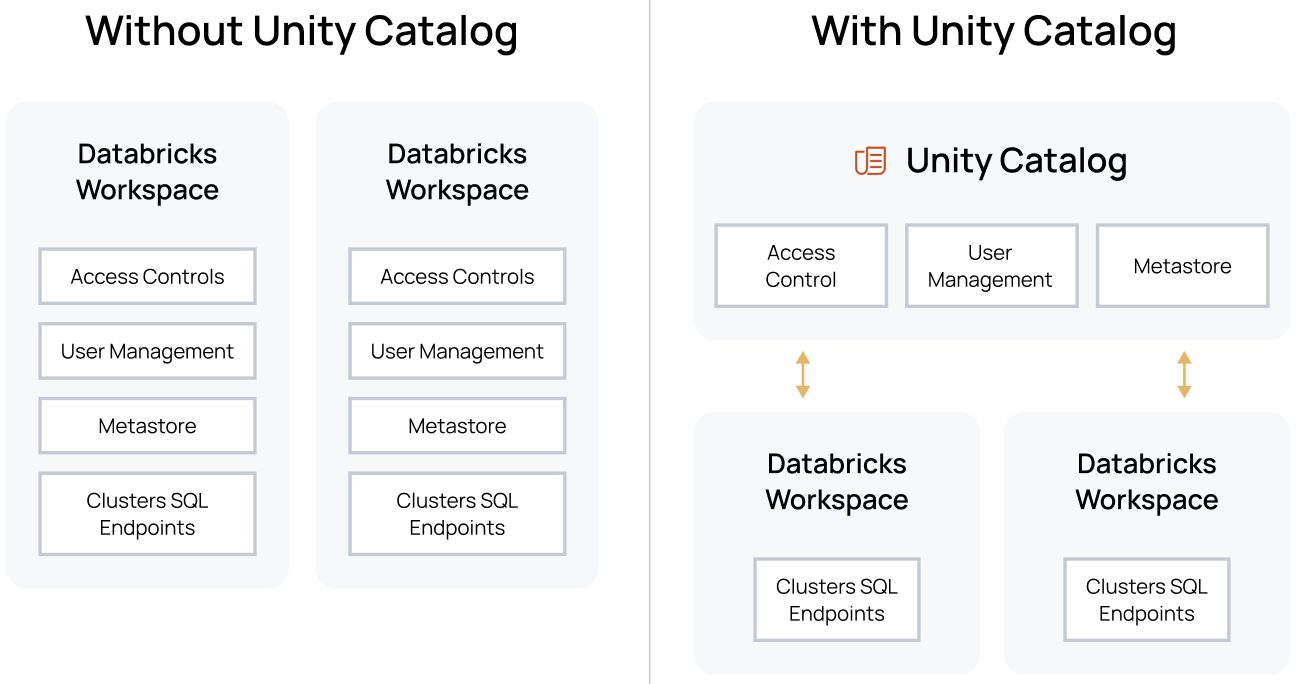
Scaling Secure Data Access with Immuta & Databricks Unity Catalog
Databricks Unity Catalog Robust Data Governance & Discovery

Databricks Unity Catalog part1 what is databricks unity catalog?
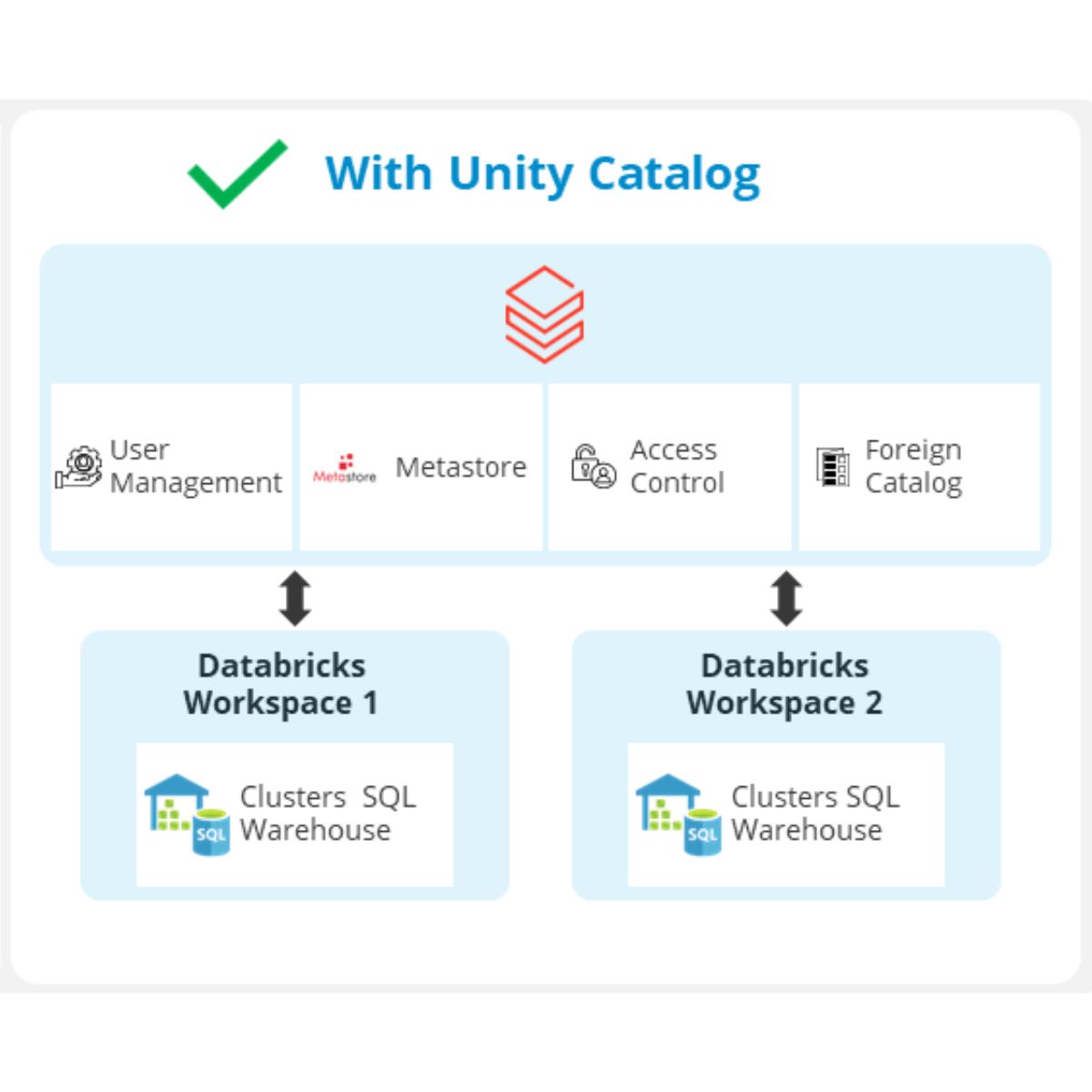
Getting started with the Databricks Unity Catalog

Demystifying Azure Databricks Unity Catalog Beyond the Horizon...

Databricks Unity Catalog Einblicke in die wichtigsten Komponenten und
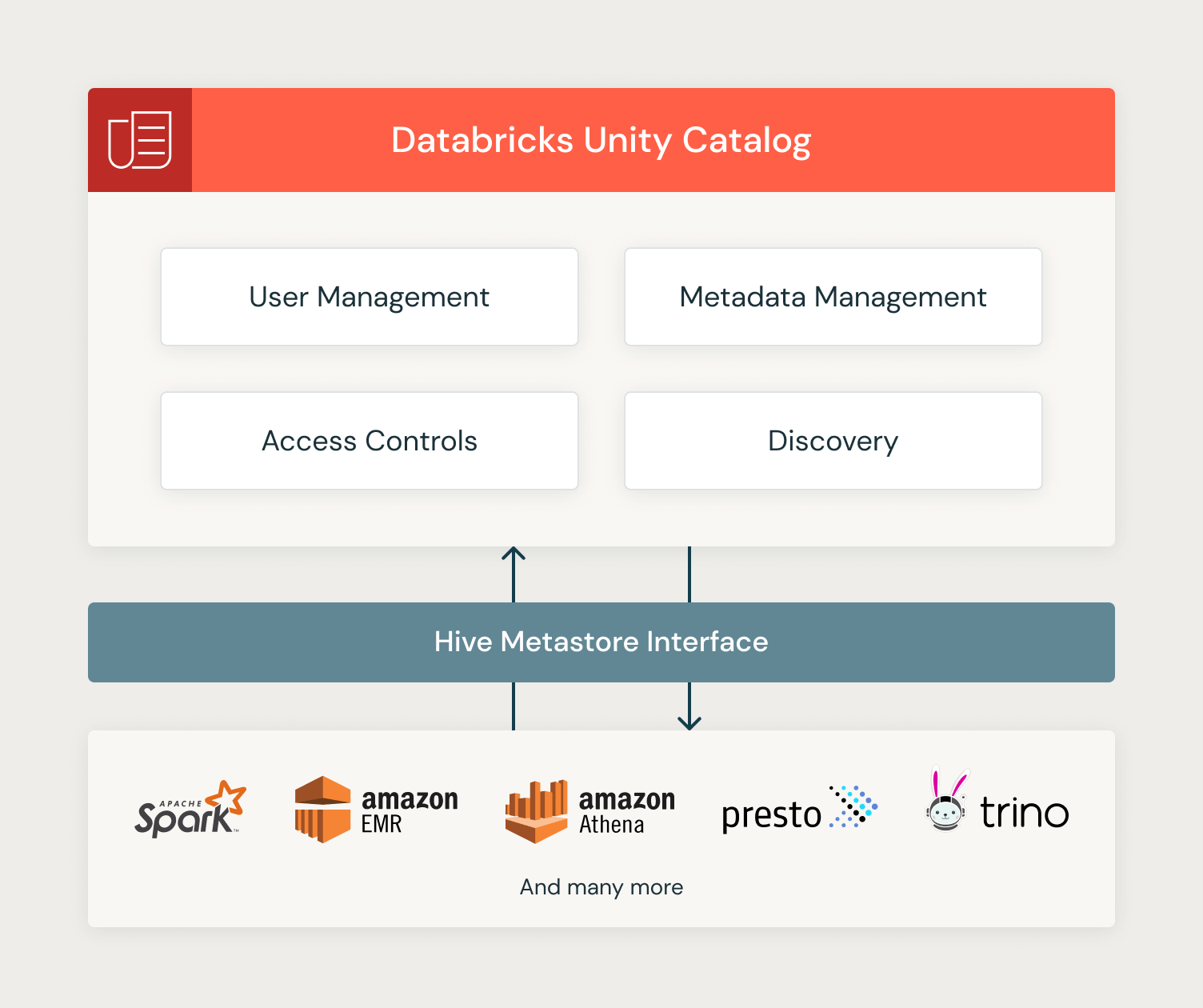
Extending Databricks Unity Catalog with an Open Apache Hive Metastore
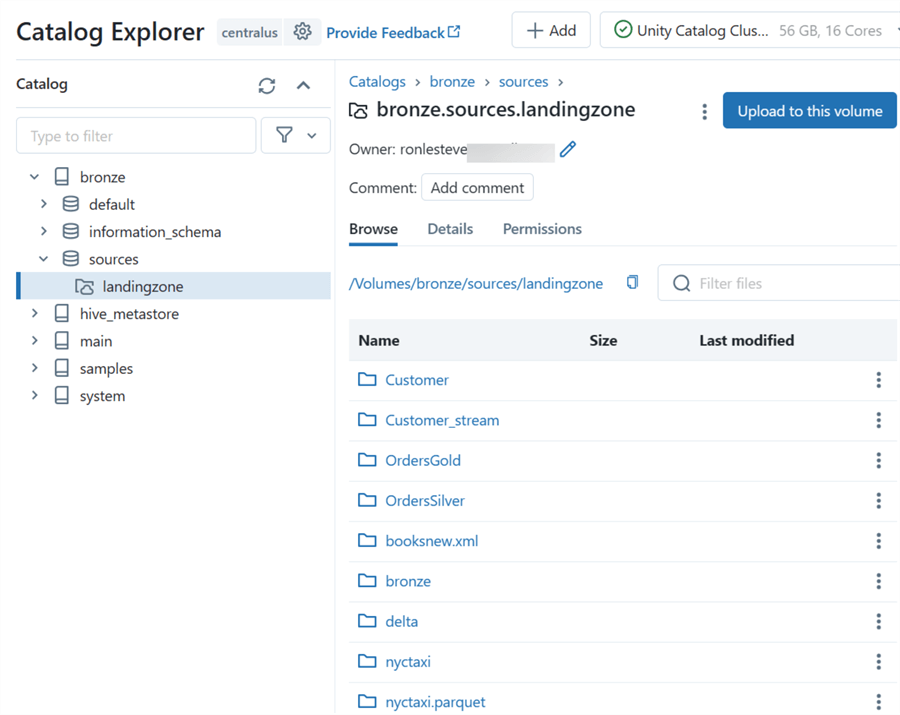
Databricks Unity Catalog and Volumes StepbyStep Guide
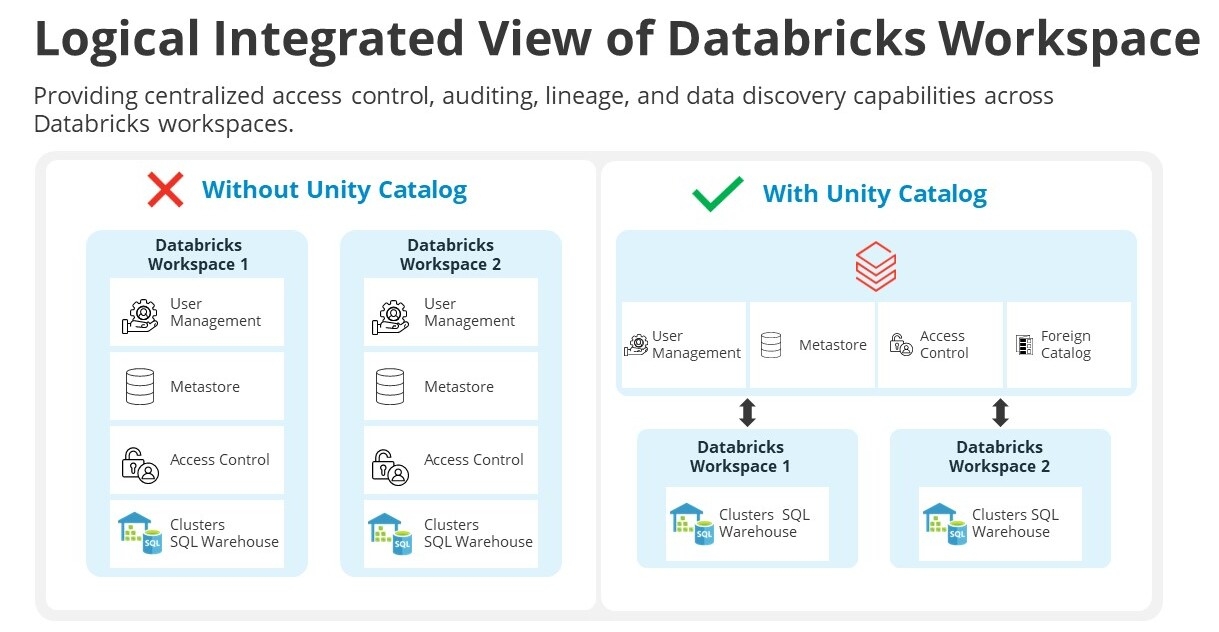
Getting started with the Databricks Unity Catalog
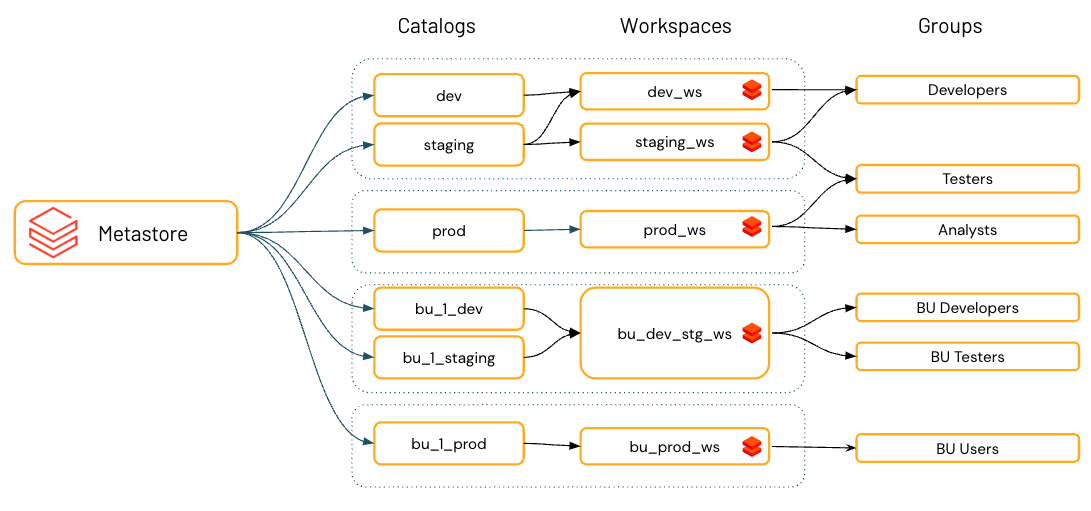
Unity Catalog best practices Databricks on AWS
By The End Of This Article You.
A Unity Catalog Object That Is Used Only In Lakehouse Federation Scenarios.
Databricks Unity Catalog Is The Industry’s Only Unified And Open Governance Solution For Data And Ai, Built Into The Databricks Data Intelligence Platform.
With Unity Catalog, Organizations Can Seamlessly Govern Both Structured And Unstructured Data In Any Format, As Well As Machine Learning Models, Notebooks, Dashboards And Files Across Any.
Related Post: