
Definition Of Catalogue In Literature
Definition Of Catalogue In Literature - These lists not only add depth to the narrative but. Fundamental and procedure in 1938 as ‘it is a tool which gives information about the contents of the library. In epic poetry, catalogs are detailed lists or enumerations that serve to provide information about characters, places, or significant events. A catalog poem includes or consists of the enumeration of things, people, places, feelings, actions, ideas, etc. The poet comments on the changeable nature of the world. It commonly refers to a list of things. It overcomes the shortcoming of the artificiality of a classified arrangement by making it classified alphabetically. A list or itemized display, as of titles, course offerings, or articles for exhibition or sale, usually including descriptive information or illustrations. This device is commonly used in epic poetry. Catalog often uses the practice of listing, a collection of a series of. A book with a list of all the goods that you can buy from a shop: A catalogue is a list of things such as the goods you can buy from a particular company, the objects in a museum, or the books in a library. It commonly refers to a list of things. Catalogue is a variation of the classified catalogue. Catalog often uses the practice of listing, a collection of a series of. A list of all the books…. Catalog or catalog is a literary device used in poetry and prose to make a list of things and achieve a rhetorical effect. Catalog or catalogue is a literary device used in poetry and prose to provide a list of factors and create a rhetorical effect. Cataloging is the systematic process. A list or itemized display, as of titles, course offerings, or articles for exhibition or sale, usually including descriptive information or illustrations. A list or itemized display, as of titles, course offerings, or articles for exhibition or sale, usually including descriptive information or illustrations. Ranganathan has defined catalogue in his book library catalogue: Writers use it to make a list of more than one thoughts in a unified form. Catalogue is a variation of the classified catalogue. In literature, cataloging serves as. A list or itemized display, as of titles, course offerings, or articles for exhibition or sale, usually including descriptive information or illustrations. A complete enumeration of items arranged systematically with descriptive details; A complete or extensive list. The poet comments on the changeable nature of the world. The genealogical lists in the bible and the lists. Cataloging is the systematic process. It overcomes the shortcoming of the artificiality of a classified arrangement by making it classified alphabetically. A list of all the books…. A catalog poem includes or consists of the enumeration of things, people, places, feelings, actions, ideas, etc. This device is commonly used in epic poetry. The genealogical lists in the bible and the lists. It overcomes the shortcoming of the artificiality of a classified arrangement by making it classified alphabetically. In the context of epic poetry, a catalogue is a systematic list or inventory of characters, places, or events that plays a significant role in building the narrative and enhancing the epic's grandeur. Catalog or. A publication, such as a book or pamphlet,. Catalog or catalog is a literary device used in poetry and prose to make a list of things and achieve a rhetorical effect. Catalogue is a variation of the classified catalogue. In literature, cataloging serves as a tool for poets and writers, enabling them to present a wide array of images, themes,. A catalogue is a list or record of items. It is sometimes spelled catalog, which is often the preferred spelling in the u.s. In epic poetry, catalogs are detailed lists or enumerations that serve to provide information about characters, places, or significant events. The genealogical lists in the bible and the lists. A publication, such as a book or pamphlet,. Catalog or catalog is a literary device used in poetry and prose to make a list of things and achieve a rhetorical effect. A catalogue is a list or record of items. A complete or extensive list. Catalog or catalogue is a literary device used in poetry and prose to provide a list of factors and create a rhetorical effect.. In literature, cataloging serves as a tool for poets and writers, enabling them to present a wide array of images, themes, and concepts within their work. Such verse exists in almost all literatures and is of ancient origin. A catalog poem includes or consists of the enumeration of things, people, places, feelings, actions, ideas, etc. A book with a list. Pied beauty by gerard manley hopkins this extract has been taken from one of the famous poems of hopkins, “pied beauty.” the poet praises god for dappled and spotted things. Catalog or catalog is a literary device used in poetry and prose to make a list of things and achieve a rhetorical effect. The poet comments on the changeable nature. A book with a list of all the goods that you can buy from a shop: Catalog or catalog is a literary device used in poetry and prose to make a list of things and achieve a rhetorical effect. It commonly refers to a list of things. It overcomes the shortcoming of the artificiality of a classified arrangement by making. It commonly refers to a list of things. Pied beauty by gerard manley hopkins this extract has been taken from one of the famous poems of hopkins, “pied beauty.” the poet praises god for dappled and spotted things. A list of all the books…. The poet comments on the changeable nature of the world. A list or itemized display, as of titles, course offerings, or articles for exhibition or sale, usually including descriptive information or illustrations. A book with a list of things that you can buy: In the context of epic poetry, a catalogue is a systematic list or inventory of characters, places, or events that plays a significant role in building the narrative and enhancing the epic's grandeur. Cataloging is the systematic process. Writers use it to compile a list of multiple thoughts in a consistent. In literature, a catalogue is a systematic list or inventory that details characters, events, places, or themes, often presented in an organized manner. Writers use it to make a list of more than one thoughts in a unified form. Catalog often uses the practice of listing, a collection of a series of. As an act of prayer, he thanks god and provides a list of things god created. Catalog or catalog is a literary device used in poetry and prose to make a list of things and achieve a rhetorical effect. Such verse exists in almost all literatures and is of ancient origin. Catalog or catalogue is a literary device used in poetry and prose to provide a list of factors and create a rhetorical effect.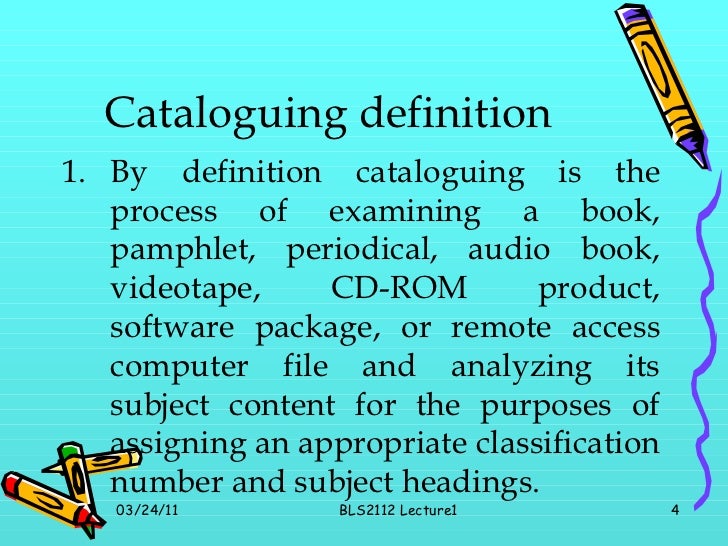
Cataloguing
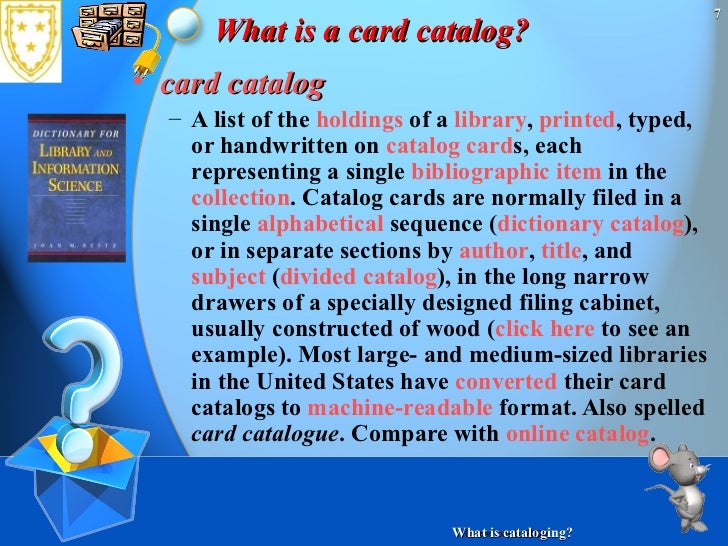
What Is Cataloging?
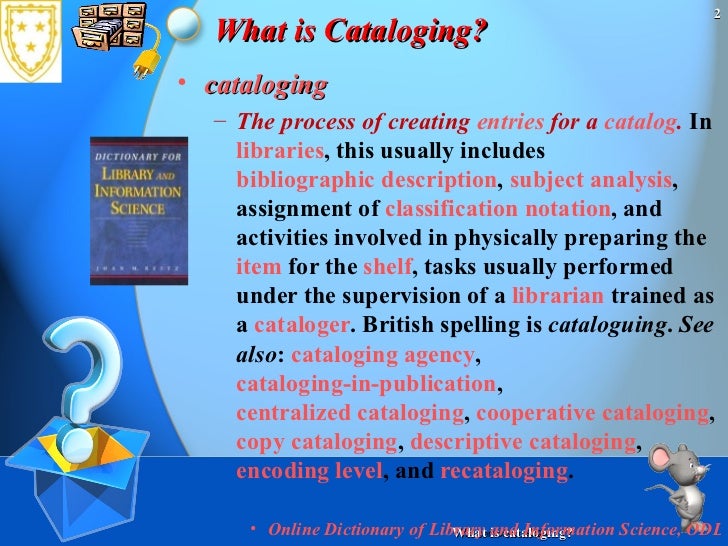
What Is Cataloging?
Cataloguing

Early catalogs, at least the ones that begin to resemble the catalogs
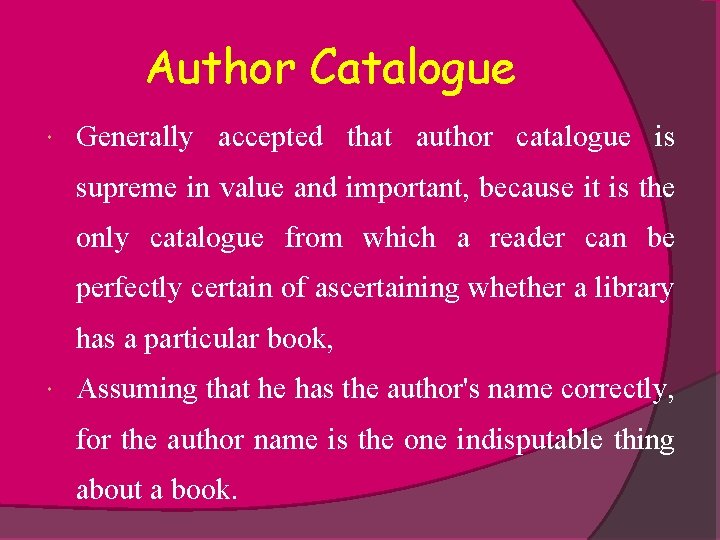
FORMS OF CATALOGUE Introduction v The library catalogue
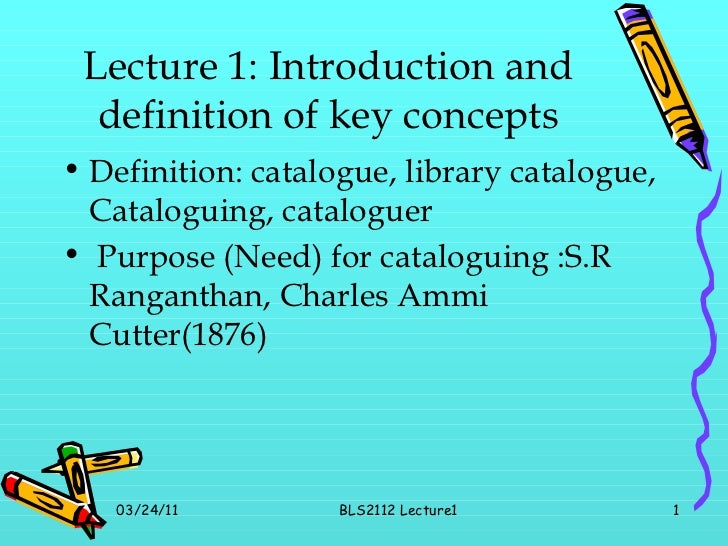
Cataloguing
Cataloging of Books PDF Bibliography Library Science
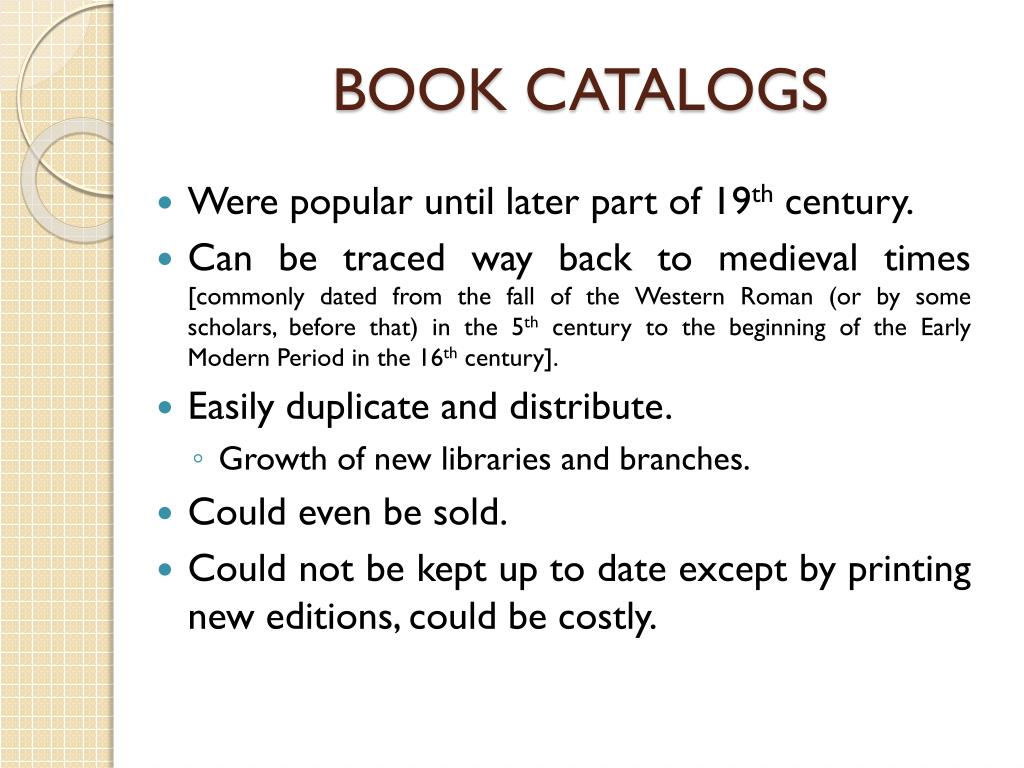
PPT CATALOGING PowerPoint Presentation, free download ID7066947

PPT CATALOGING PowerPoint Presentation, free download ID7066947
Catalog Verse, Verse That Presents A List Of People, Objects, Or Abstract Qualities.
A Catalogue Is A List Of Things Such As The Goods You Can Buy From A Particular Company, The Objects In A Museum, Or The Books In A Library.
A Catalog Poem Includes Or Consists Of The Enumeration Of Things, People, Places, Feelings, Actions, Ideas, Etc.
These Lists Not Only Add Depth To The Narrative But.
Related Post:
